Microneedling for Melasma: Evidence, Limits and Pigmentation Risk
Microneedling for Melasma: Can It Help?
Microneedling for melasma may play a supporting role in some dermatologist-led plans, particularly to help deliver prescribed topical treatments. Evidence for microneedling alone is limited, melasma can recur, and irritation can worsen pigmentation. It should not be presented as a simple cure or used before the diagnosis is clear.
A systematic review indexed by PubMed found low-quality evidence for microneedling in melasma and noted that most studies combined needling with topical therapies.
Melasma Is Not Just a Dark Spot
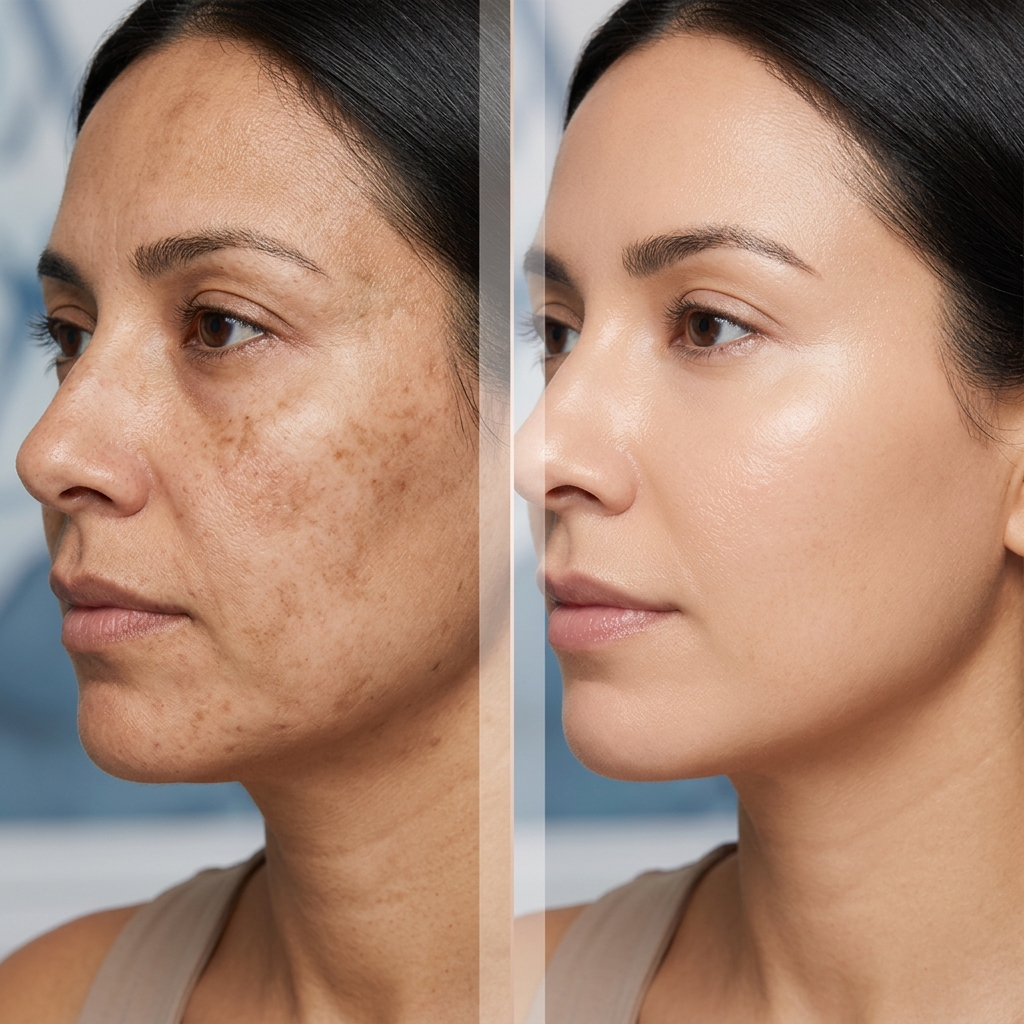
Melasma is a chronic pigmentation condition often appearing in symmetrical patches on the cheeks, forehead or upper lip. Sunlight, visible light, hormones and heat may influence it. Other conditions can look similar, so a dark patch should not be self-diagnosed from an image.
See a dermatologist for new, changing, one-sided or unexplained pigmentation, or when the diagnosis is uncertain. A therapist can support an established plan but does not replace medical diagnosis.
What the Research Actually Studied
Published studies often investigate microneedling as a method to improve delivery of agents such as tranexamic acid or other prescribed treatments. Another systematic review of needling studies for melasma reported improvement in included studies, but the designs, devices and combination treatments varied.
This means a clinic cannot take a percentage from one small study and promise the same result from a standard cosmetic microneedling session.
Why Pigmentation Risk Still Matters
Microneedling creates controlled inflammation. When technique is too aggressive, aftercare is poor or sun exposure occurs, that inflammation may trigger post-inflammatory hyperpigmentation. Darker skin tones are not automatically excluded, but treatment must be conservative and individualised.
Sun Protection Is Core Treatment
Melasma management is unlikely to succeed without consistent light protection. Use the sunscreen and protective measures recommended by your healthcare professional. Do not schedule treatment immediately before a sun holiday or while the skin is burned or tanned.
How Progress Should Be Measured
Melasma can look lighter or darker with season, hormones, heat and recent sun exposure. Progress photographs should use the same lighting and camera settings after the skin has recovered, not immediately after needling. A clinician may also use a recognised severity score.
Agree in advance what would count as improvement and when the plan will be stopped or referred. Continuing more aggressive sessions after pigmentation worsens is not a sensible response. Long-term control and recurrence prevention matter more than a short-lived post-treatment glow.
Document any flare, medication change or hormonal change between visits.
Questions to Ask Before Needling Pigmentation
- Has the pigmentation been medically diagnosed?
- Is microneedling being used alone or to support a prescribed plan?
- What evidence supports the exact protocol?
- How will depth and passes be adjusted for my skin and area?
- What is the plan if the pigmentation darkens?
- Which products must be used or paused under professional advice?
When Linksfield May Recommend Referral
If pigmentation appears consistent with melasma, is changing, has not been diagnosed or needs prescription treatment, a dermatologist is the appropriate next step. Linksfield Laser Clinic can discuss professional microneedling after the skin concern and treatment plan are clear.
Read our guidance on microneedling for darker skin tones and chemical peels for pigmentation.
Microneedling and Melasma FAQ
Can microneedling cure melasma?
No cure should be promised. Melasma is chronic and can recur.
Is microneedling alone proven for melasma?
Evidence is limited, and many studies assess it with topical treatments.
Can it make pigmentation darker?
Inflammation and sun exposure can trigger post-inflammatory pigmentation, so technique and aftercare matter.
Who should diagnose melasma?
A doctor or dermatologist should assess uncertain or concerning pigmentation.
Book a skin consultation to discuss whether assessment or referral should come before treatment.
Explore the treatment
Microneedling treatments