Laser Hair Removal for Sensitive Skin: Patch Testing, Reactions and Aftercare
Laser Hair Removal for Sensitive Skin: Is It Suitable?
Laser hair removal for sensitive skin may be suitable, but the cause and current condition of the skin matter. A consultation and test patch should come first. Active dermatitis, infection, sunburn, broken skin or a recent reaction may require treatment to be postponed or medical advice to be obtained.
Laser hair removal commonly causes temporary redness and swelling even in people who do not describe their skin as sensitive. The American Academy of Dermatology's laser FAQ lists discomfort, redness and swelling as common short-term effects.
“Sensitive” Can Mean Different Things
Tell the therapist what sensitivity looks like for you. Stinging from products, eczema flares, rosacea, shaving rash, allergy, post-inflammatory pigmentation and a previous laser burn are different issues. The treatment plan cannot be based on the word alone.
If you have an unexplained rash, persistent redness, painful lesions or signs of infection, seek appropriate medical assessment rather than using laser as a test.
What a Patch Test Can and Cannot Do
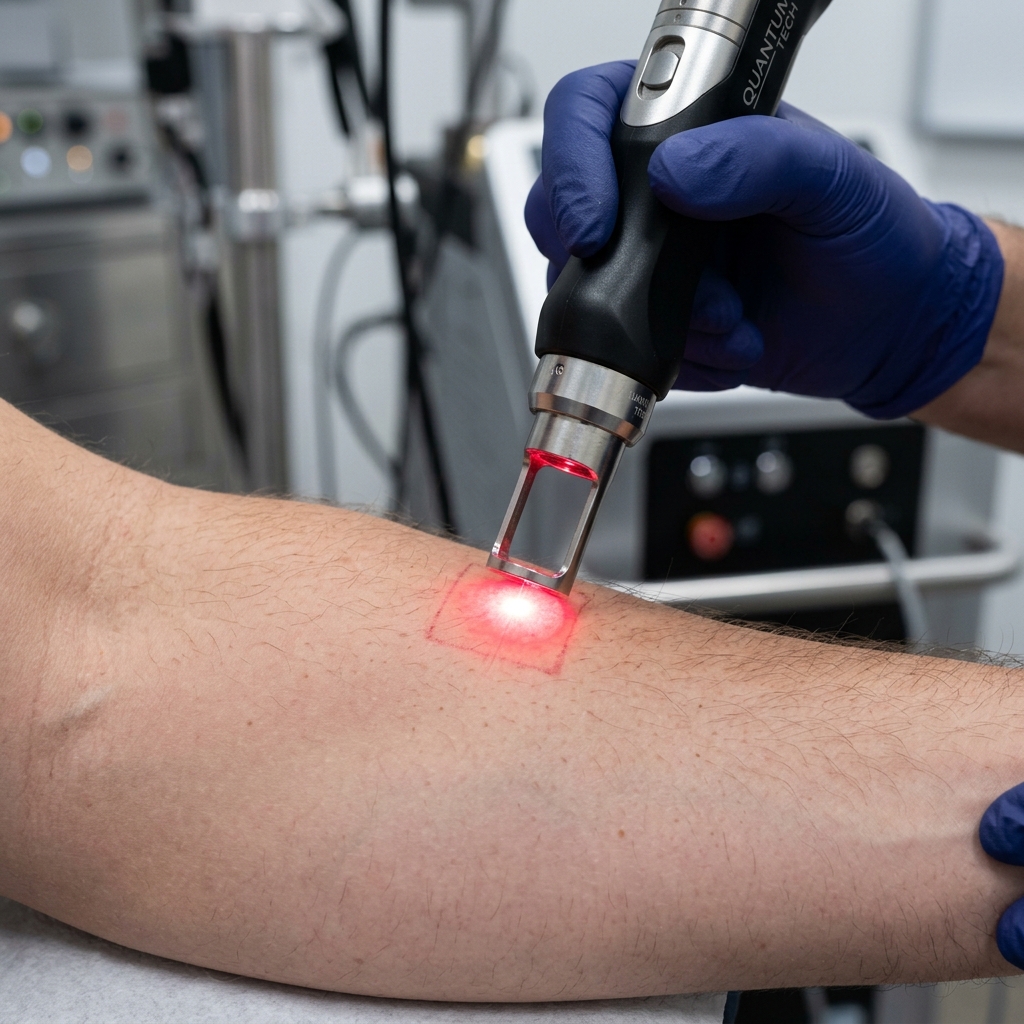
A patch test applies planned settings to a small area and allows the clinic to observe the immediate and delayed response. It can help guide settings and aftercare. It cannot guarantee that a larger session or later appointment will cause no reaction, especially if sun exposure, medication or skin condition changes.
Preparation for Reactive Skin
- Share diagnosed skin conditions, allergies and previous cosmetic reactions.
- List prescription and non-prescription products, including retinoids and acids.
- Avoid tanning, self-tan and treatment over sunburn.
- Follow shaving instructions without repeatedly scraping the skin.
- Do not apply unapproved numbing cream, fragrance or active skincare before the session.
Read our dedicated guide to medication and laser hair removal before your consultation.
Aftercare Should Be Simple
Use the cool compresses and gentle products recommended by the clinic. Avoid heat, friction, picking, harsh exfoliation and direct sun for the advised period. Daily broad-spectrum sunscreen is especially important on exposed areas.
Contact the clinic promptly for blistering, severe pain, spreading redness, unexpected swelling or pigment change. Seek urgent medical care for a severe allergic reaction or signs of serious infection.
Professional Treatment vs At-Home Devices
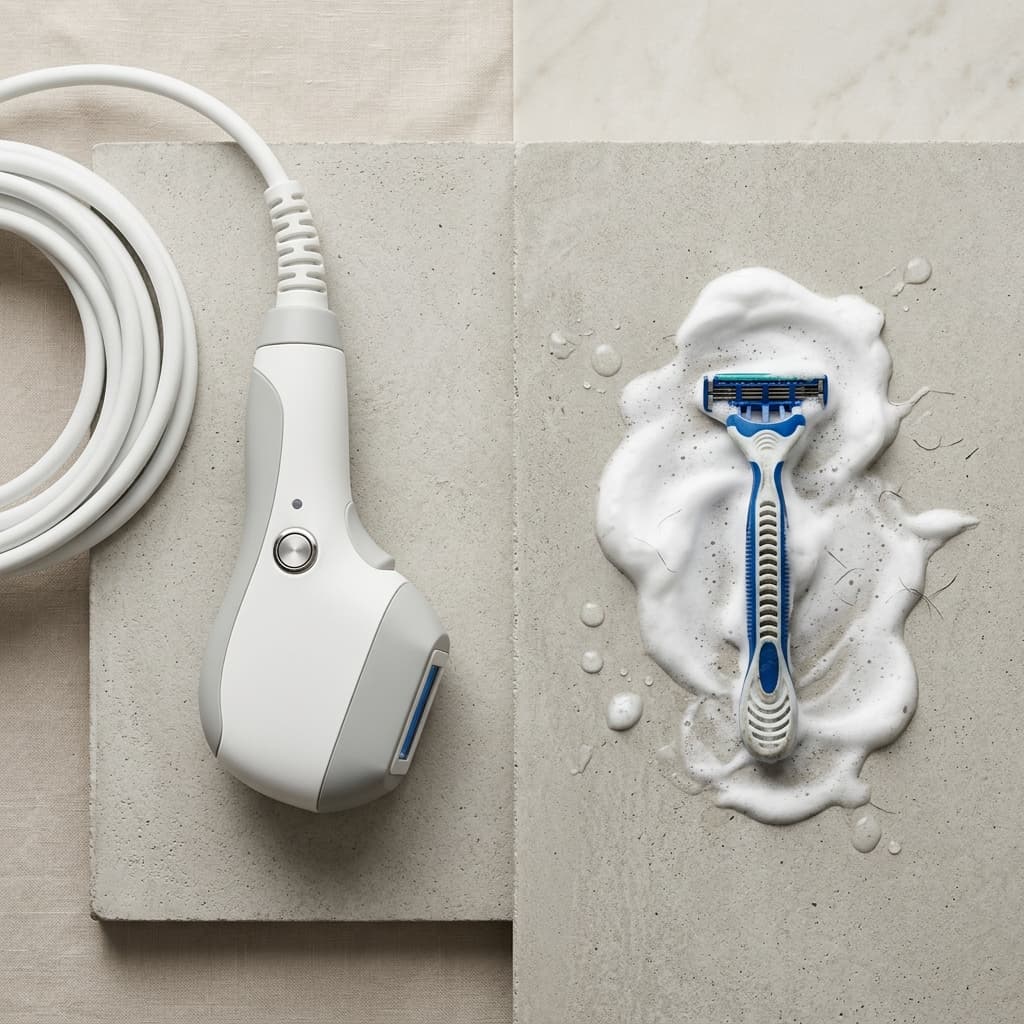
At-home IPL and professional diode laser are not equivalent. A consumer device relies on the user to judge suitability, product interactions and skin response. If your skin is reactive, pigment-prone or affected by a diagnosed condition, professional assessment offers more control and a clear route for follow-up.
See our diode laser vs IPL comparison for the technology differences.
Questions to Ask at the Test Patch
Ask which device and settings are planned, what reaction is expected, how long the area should be observed and which products to avoid. Confirm who to contact if the skin changes after you leave. Take a clear photo in neutral lighting before and after the patch so a subtle pigment change is not missed.
Tell the clinic if the patch area is exposed to sun, scratched or treated with a new product before the full appointment. A changed skin condition may require another assessment.
Sensitive Skin Laser FAQ
Does a patch test prove laser is safe for me?
No test can guarantee zero risk, but it provides useful information before a larger treatment.
Can I have laser during an eczema flare?
Do not treat actively inflamed or broken skin. Ask the clinic and your healthcare professional when appropriate.
Is redness always a burn?
Temporary redness and follicular swelling can be expected. Blistering, severe pain or worsening symptoms need prompt advice.
Should I exfoliate sensitive skin before laser?
Follow the clinic's preparation instructions and avoid adding strong exfoliation on your own.
Book a consultation and test patch at Linksfield Laser Clinic.
Explore the treatment
Laser hair removal in Johannesburg