Is Laser Hair Removal Safe? Myth-Busting Side Effects and Risks
Is Laser Hair Removal Safe?
Laser hair removal can be performed safely for suitable clients when the device, settings, skin assessment, eye protection and aftercare are appropriate. It is not risk-free. Temporary redness and swelling can occur, while burns, blistering, scarring and pigment changes are less common but important risks to discuss before treatment.
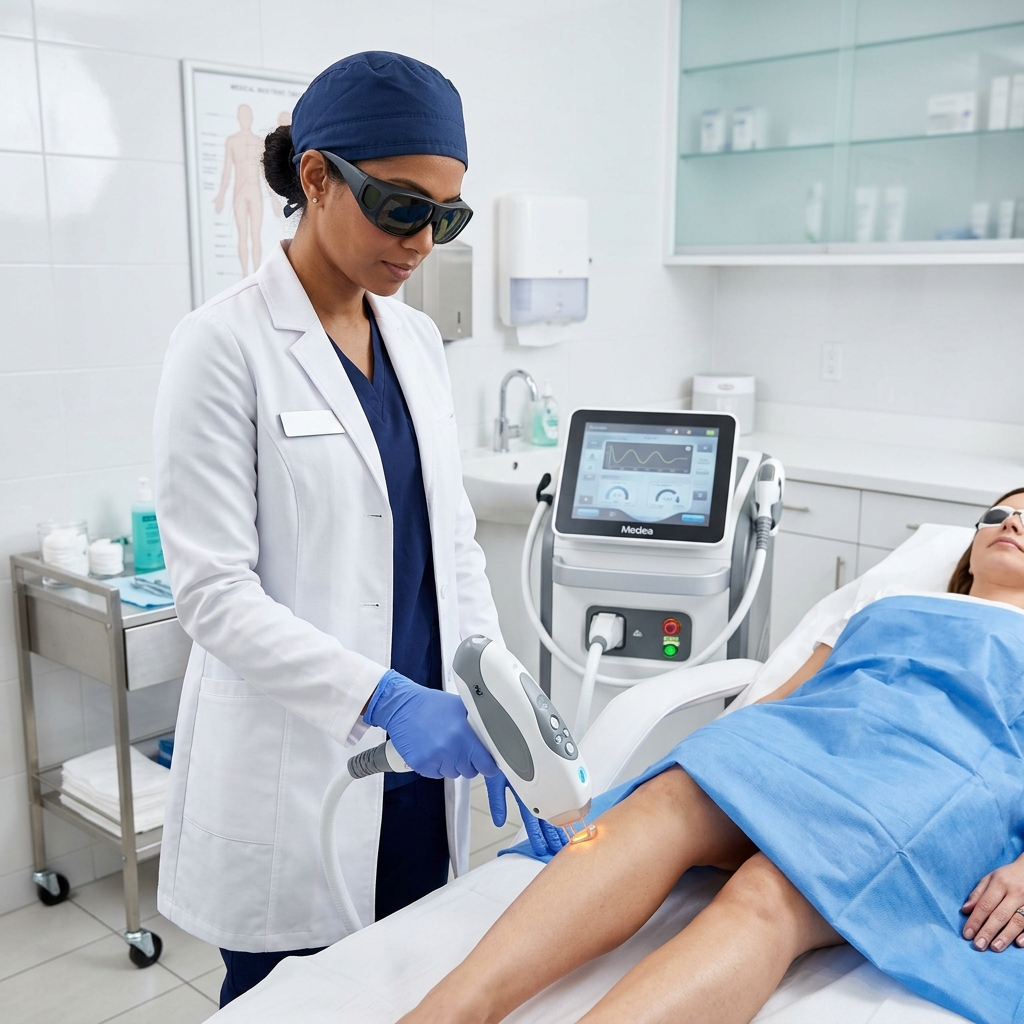
The Technology Used at Linksfield Laser Clinic
Linksfield Laser Clinic uses the LightSheer Duet pulsed diode laser system. The system is FDA-cleared for hair removal and permanent hair reduction. The FDA's indication covers Fitzpatrick skin types I to VI, but that does not mean one setting is suitable for every person. Skin tone, recent sun exposure, hair colour, medication, treatment area and previous reactions still need to be assessed individually.
Read the FDA LightSheer Duet indications for use.
Laser Light Is Non-Ionizing
Hair-removal lasers use focused, non-ionizing light. The FDA explains that laser radiation should not be confused with ionizing X-rays or radiation from radioactive material. The beam still presents skin and eye hazards, which is why correct operation and protective eyewear matter.
See the FDA's medical laser safety overview and laser safety FAQ.
Common Short-Term Reactions
A treated area may feel warm and show temporary redness or swelling around the follicles. The response varies by person and treatment area. Follow the aftercare instructions provided by the clinic and contact the clinic promptly if a reaction is severe, worsening or unexpected.
Less Common but Important Risks
- Burns or blistering: Heat can injure the skin if treatment is unsuitable or settings are inappropriate.
- Colour changes: Temporary or longer-lasting darkening or lightening can occur, particularly when skin has recent sun exposure or is more pigment-prone.
- Scarring or infection: These are possible complications and require professional assessment.
- Eye injury: Both client and operator need the correct protective eyewear for the device.
Why the Consultation and Patch Test Matter
A consultation checks the treatment area, skin tone, hair colour and thickness, recent tanning, medication and relevant health history. A test patch allows the therapist to observe the skin's response before treating a larger area. A patch test reduces uncertainty but cannot guarantee that no later reaction will occur.
Who Should Get Extra Advice Before Treatment?
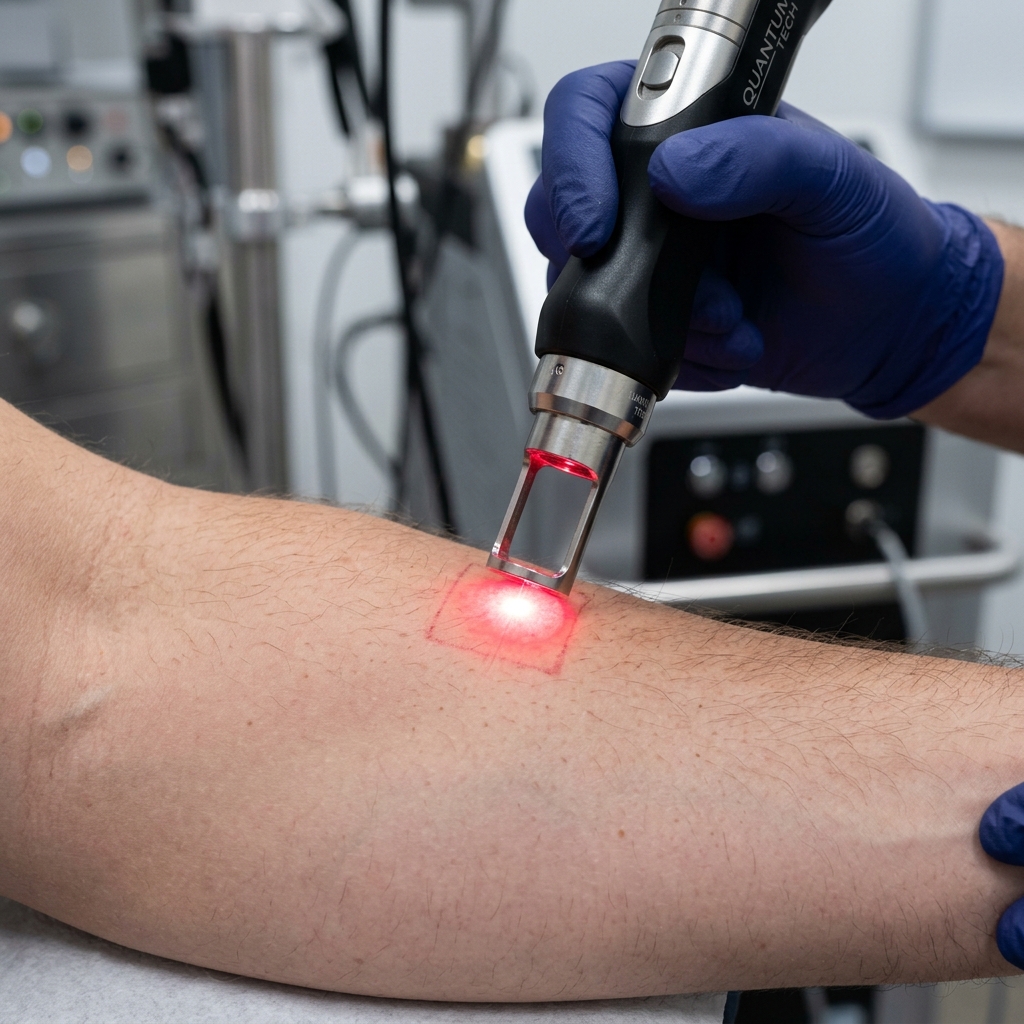
Tell the clinic about pregnancy, breastfeeding, active skin irritation, infection, eczema flares, a history of pigment changes, recent tanning, tattoos in the area and all medication or topical products. Some situations require postponing treatment or seeking advice from an appropriate medical professional.
How to Compare Laser Clinics
- Ask for the exact device manufacturer and model.
- Confirm that suitability is assessed before a course is sold.
- Ask whether a test patch is included.
- Check what eye protection, preparation and aftercare are provided.
- Ask what result is realistic for your hair colour, skin and treatment area.
- Choose a clinic that discusses risks and limitations as clearly as benefits.
Laser Hair Removal Safety FAQ
Is the LightSheer Duet FDA approved?
The accurate term is FDA-cleared. Its FDA indications include hair removal and permanent hair reduction.
Can every skin tone be treated with the same settings?
No. Device settings and suitability must be assessed for the individual, even when a system is indicated for a broad range of skin types.
Can treatment be performed over a tattoo?
The clinic does not treat directly over tattoos because the pigment can absorb laser energy.
Does Linksfield Laser Clinic treat during pregnancy?
The clinic recommends postponing treatment until after pregnancy and breastfeeding. Discuss your circumstances with the clinic and your healthcare professional.
What should I do if my skin reacts unexpectedly?
Contact the clinic promptly for guidance. Seek urgent medical care for a severe reaction.