How Often Should You Get a Chemical Peel? A Safe Treatment-Course Guide
How Often Should You Get a Chemical Peel?
How often should you get a chemical peel? The interval depends on the peel depth, ingredient, concentration, skin concern and how completely the skin heals. Superficial peels may be planned as a course, while deeper peels require much longer recovery and medical oversight. Do not repeat a peel simply because a calendar date has arrived.
The American Academy of Dermatology says some light peels may be repeated every two to five weeks and that three to five may be needed for a desired result. That is general dermatology guidance, not a personal schedule.
Peel Depth Changes Everything
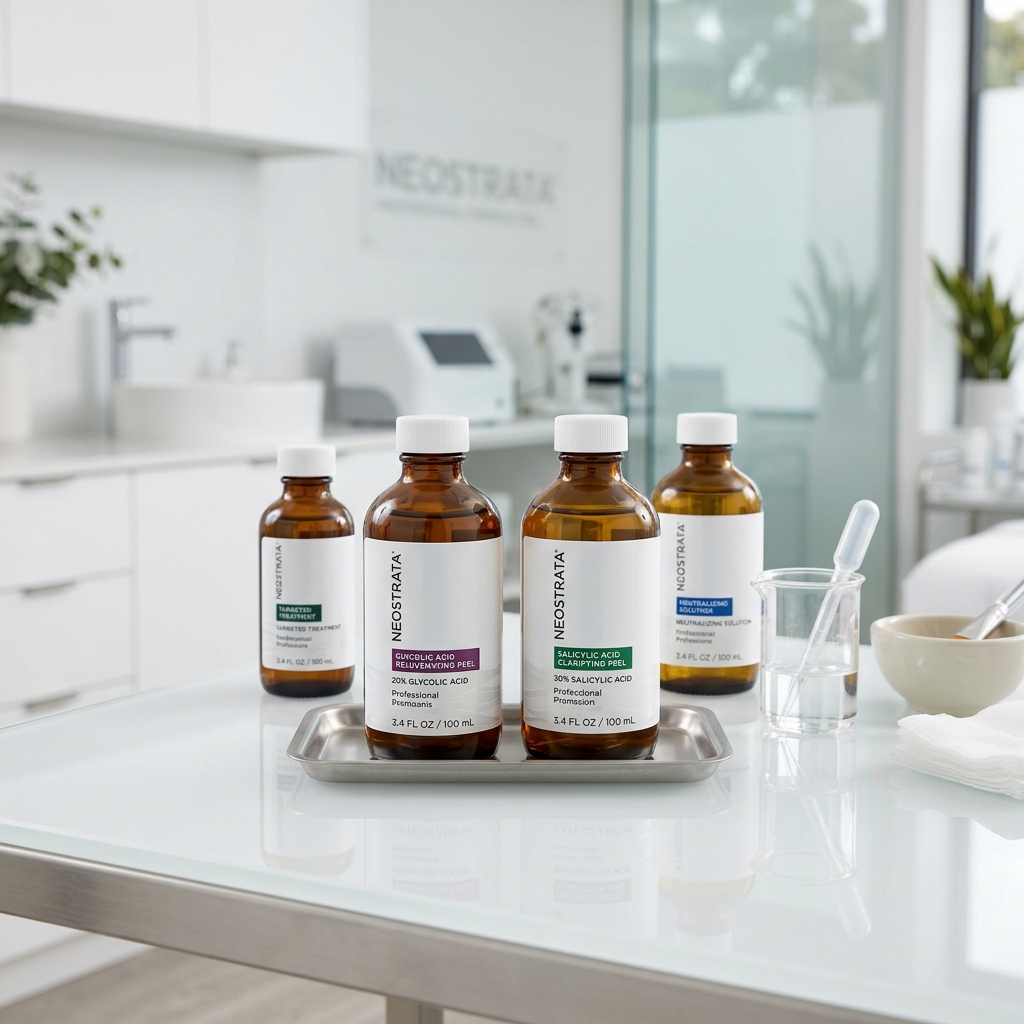
A refreshing superficial peel and a medium or deep medical peel are not interchangeable. Healing time can range from days to weeks. Linksfield Laser Clinic offers professional NeoStrata glycolic-acid peels; it does not use a generic timetable for every client.
Five Factors That Set the Interval
- Skin concern: Congestion, pigmentation and general brightness may require different plans.
- Skin tone and pigment history: Over-treatment can trigger post-inflammatory colour changes.
- Barrier condition: Dry, inflamed or sensitised skin needs recovery, not another exfoliation.
- Home routine: Retinoids, acids, scrubs and acne medicine can change tolerance.
- Sun exposure: A tan, sunburn or unavoidable upcoming exposure can delay treatment.
Signs You Are Not Ready for the Next Peel
- Persistent redness, stinging, peeling or tightness.
- New dark or light patches.
- Broken skin, infection, cold sores or active dermatitis.
- Sunburn or a recent tan.
- A medication or skincare change that has not been reviewed.
Contact the clinic if recovery is stronger or longer than expected. Do not attempt to “fix” irritation with another peel.
More Frequent Is Not More Effective
The skin needs time to recover. Closely stacking professional peels, home acids, scrubs and retinoids can damage the barrier and increase inflammation. A useful course builds on tolerated treatment; it does not chase visible peeling.
Why Online Peel Calendars Can Mislead
Advice written for a mild glycolic peel cannot be copied to a stronger or different acid. Even two clients receiving the same product can heal differently because of skin tone, barrier condition, medication and sun exposure. Record the exact peel name and concentration, not just “chemical peel,” and use the provider's written aftercare as the reference for the next appointment.
If another clinic or home product is involved, disclose it. Without that information, neither provider can judge the total exfoliation load accurately.
How to Track a Course
Use consistent photos, note sensitivity and review the original concern after each healing period. Changes in pigmentation and texture are easier to judge over time than immediately after exfoliation. If there is no meaningful progress, reassess the diagnosis and treatment choice instead of automatically increasing strength.
Maintenance After a Course
Maintenance depends on the concern and home care. Daily sunscreen, a tolerable routine and avoiding repeated irritation often matter more than frequent procedures. Your provider may recommend less frequent treatments once the initial goal is reached.
Read our first-week chemical peel aftercare guide and peels for darker skin tones.
Chemical Peel Frequency FAQ
Can I have a chemical peel every week?
Do not assume so. Frequency depends on the exact peel and professional plan.
Do I need visible peeling for it to work?
No. The amount of flaking does not reliably measure effectiveness.
Can I use retinol between peels?
Follow individual instructions from your provider and prescriber; do not create your own stop-and-start schedule.
When should a course be stopped?
Pause and seek advice for persistent irritation, pigment change, infection or an unexpected reaction.
Book a skin consultation for an interval based on the exact peel and your skin.
Explore the treatment
Chemical peel treatments