Chemical Peel vs Microdermabrasion: Results, Downtime and Best Uses
Chemical Peel vs Microdermabrasion: The Short Answer
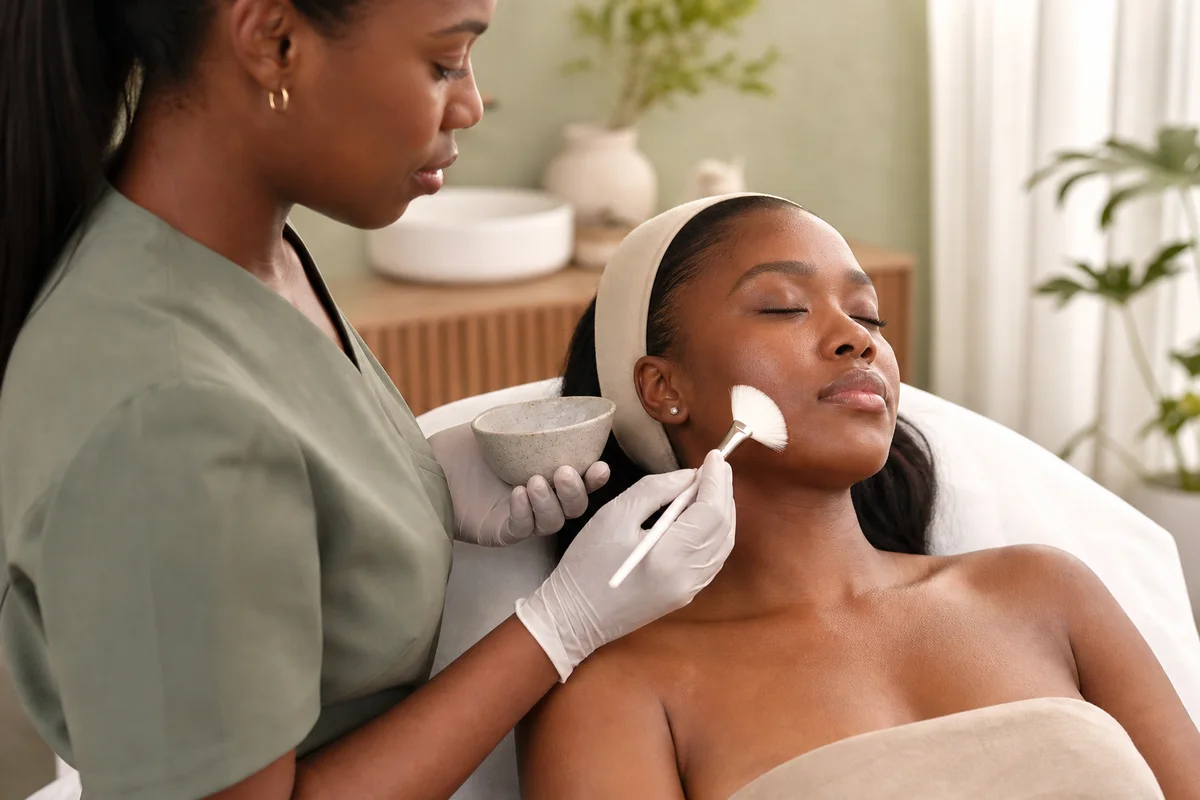
Chemical peel vs microdermabrasion is a comparison between controlled acid exfoliation and mechanical surface exfoliation. A peel can be chosen for concerns such as selected pigmentation, acne or rough texture; microdermabrasion offers a gentler surface polish. The better choice depends on the diagnosis, skin tone, sensitivity, products and downtime tolerance.

How a Chemical Peel Works
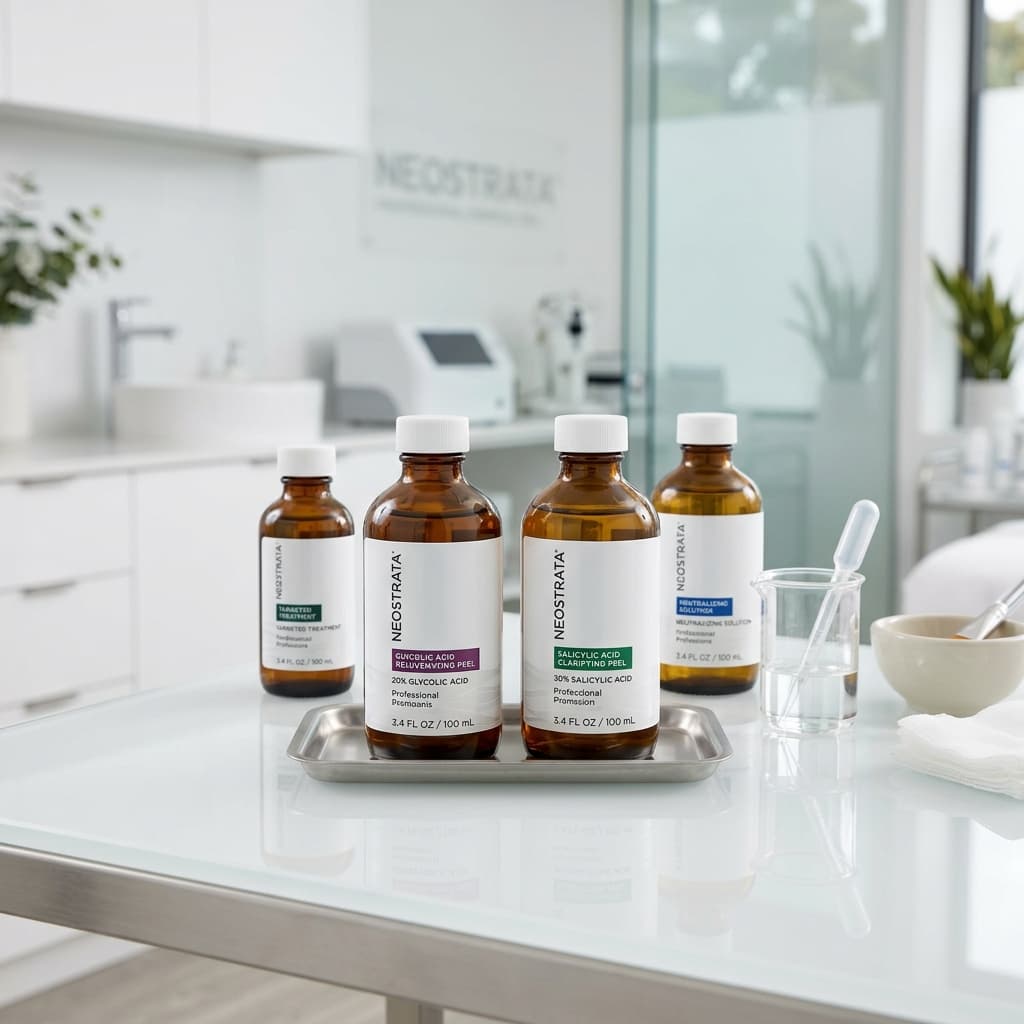
Professional peels vary in ingredient, concentration and depth. Linksfield Laser Clinic offers NeoStrata glycolic-acid peels after consultation. The aim is controlled exfoliation, not the strongest possible reaction.
The American Academy of Dermatology lists some types of acne, discoloration, dullness, fine lines and rough-feeling skin among the concerns dermatologists may treat with chemical peels.
How Microdermabrasion Works
Microdermabrasion uses a handheld device to exfoliate the outer surface of the skin. It can improve the feel and temporary brightness of dull, rough skin with little downtime. It does not create new collagen at the depth of microneedling and cannot erase deep scars.
The AAD microdermabrasion FAQ describes it as gentle and non-invasive, while noting that some people may experience temporary redness or swelling.
Comparison by Concern
| Concern | Chemical peel | Microdermabrasion |
|---|---|---|
| Dull or rough surface | Can improve brightness and texture depending on peel | Useful for a quick surface polish |
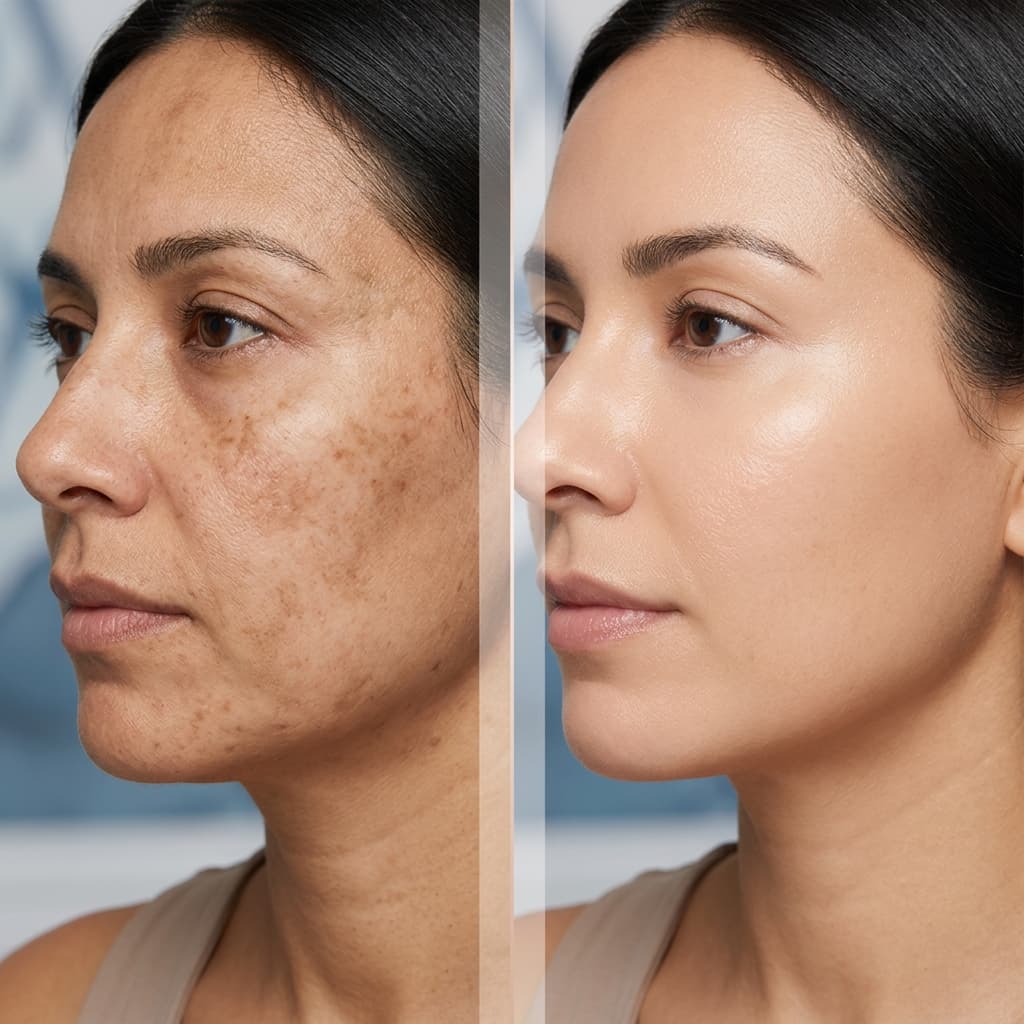
| Selected pigmentation | May be chosen after assessment; pigment risk needs care | More superficial and usually modest |
| Blackheads or congestion | Some peel types may help selected acne and clogged pores | Can exfoliate surface build-up but is not an acne cure |
| Deep acne scars | Superficial peels have limits | Does not treat deep scars |
| Downtime | Depends on peel depth and response | Usually low, with possible short redness |
| Very reactive skin | Needs careful product and barrier assessment | Friction may still irritate; assess first |
What Does the Research Say?
A small randomised split-face trial compared low-strength glycolic peels with mild microdermabrasion for facial rejuvenation. Seven of ten participants preferred the peel, but investigator ratings and photographs did not show a clear treatment-specific advantage. Read the trial abstract on PubMed. The study was small and should not be used to promise that one method is universally better.
Who Needs Extra Assessment?
Tell the therapist about isotretinoin, topical retinoids, acids, recent waxing, cold sores, pigment changes, keloids, active acne, eczema and recent sun exposure. A changing mole or unexplained lesion needs medical assessment, not exfoliation.
Can You Combine Them?
Some professionals sequence or combine resurfacing treatments, but doing more at once also increases irritation. Do not stack a home peel, scrub and microdermabrasion around a professional appointment. Let the provider choose timing based on your barrier and response.
Allow the skin to recover fully before judging the comparison.
Which Should You Choose?
Choose by concern rather than trend. For a gentle surface refresh with minimal interruption, microdermabrasion may be a practical starting point. For selected acne, pigmentation or texture concerns, a suitable professional peel may offer a more targeted approach. If the concern is scarring or loss of firmness, another option such as microneedling may be discussed.
Compare chemical peels for darker skin tones and dermaplaning vs microdermabrasion.
Peel vs Microdermabrasion FAQ
Which is better for hyperpigmentation?
It depends on the cause and skin. A peel may be more targeted, but pigment-prone skin needs careful selection and sun protection.
Which has less downtime?
Microdermabrasion generally has little downtime. Peel recovery varies by depth and response.
Can microdermabrasion remove acne scars?
It can polish the surface but does not remove deep acne scars.
Can I do both in the same week?
Only if a qualified professional has assessed and planned the sequence.
Book a skin consultation to compare the options for your concern.
Explore the treatment
Chemical peel treatments